You need a reinstatement contractor who can return your leased space to its original condition quickly and to the landlord’s standards.
A good contractor will handle demolition, electrical and flooring removal, repairs, painting and waste disposal so you can meet your handover obligations with minimal stress.
This post explains what a reinstatement contractor in Singapore does, how the process works, and which services you should expect for offices and shops.
You will learn how to pick a contractor who follows building rules, offers clear pricing, and adds value through fast handovers and proper compliance.
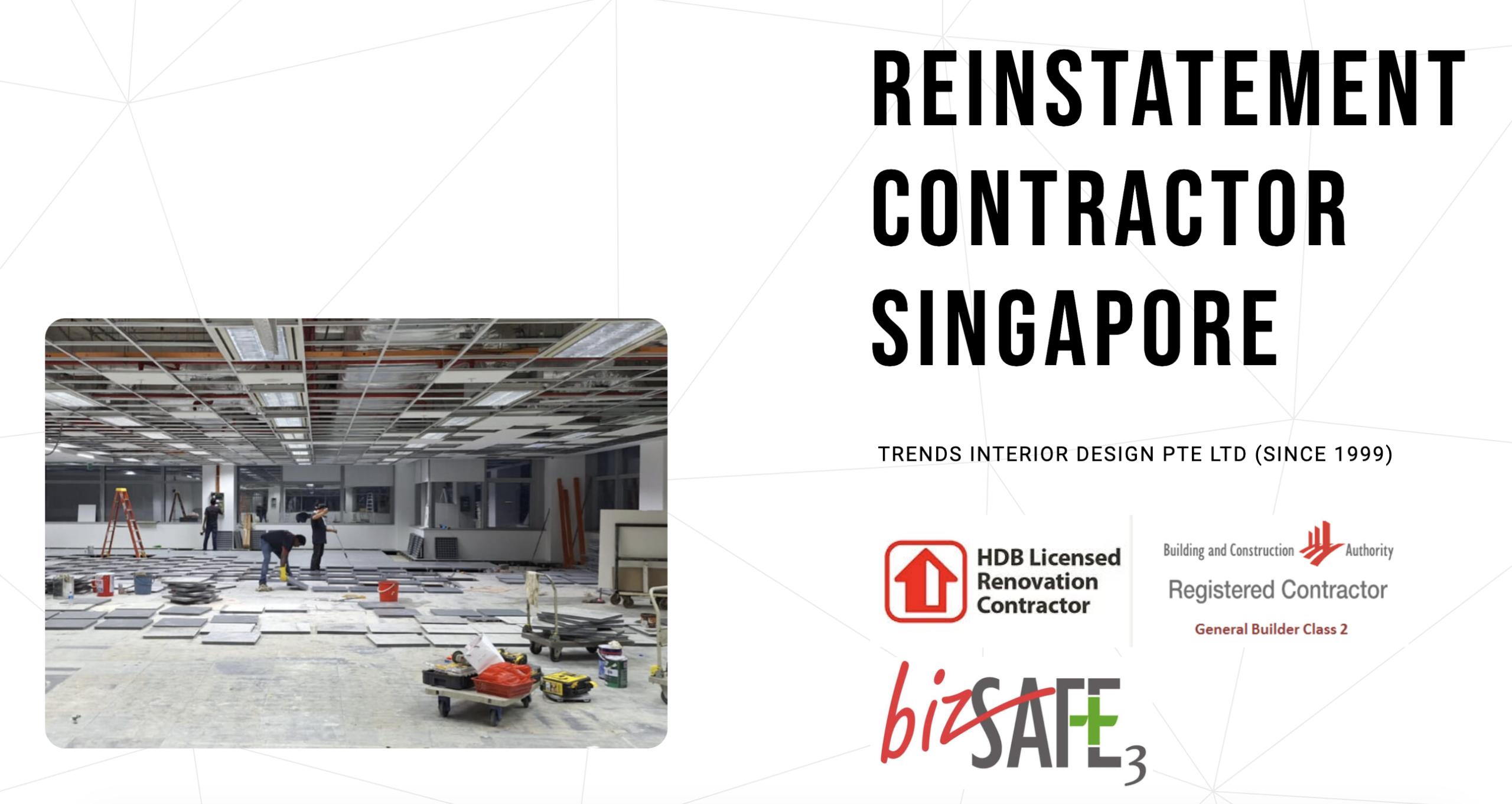
What Is a Reinstatement Contractor in Singapore?
A reinstatement contractor restores leased or modified spaces back to their original condition, handles compliance work, and manages handover tasks on your behalf.
They offer trades, licences, and project management so your space meets lease terms and building rules.
Definition and Legal Requirements
A reinstatement contractor specialises in returning a property to the state required by your lease.
You must follow the reinstatement clause in your tenancy agreement; the contractor ensures the work meets that contract.
They handle technical tasks that require permits or licensed tradespeople, such as electrical, plumbing and A/C adjustments.
You remain responsible for complying with Building and Construction Authority (BCA) rules, fire-safety codes and any landlord specifications, but the contractor arranges certified personnel and documentation.
When you hire one, expect written scopes, timelines and cost estimates.
These reduce the risk of security deposit deductions and disputes at handover.
Scope of Reinstatement Works
Reinstatement works cover dismantling tenant additions and restoring finishes to original conditions.
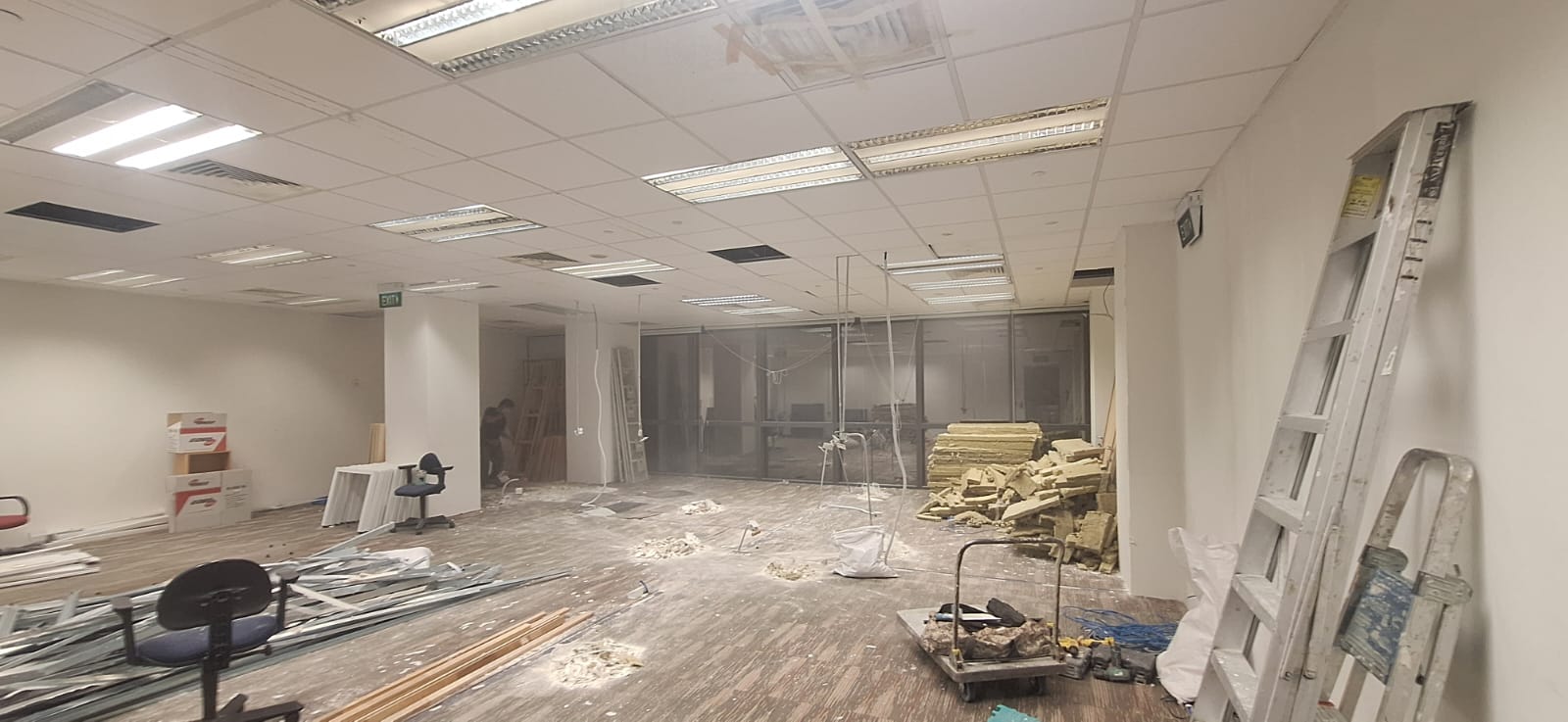
Typical tasks include removing partition walls, false ceilings, specialised fixtures, and cabling, then repairing walls, floors and ceilings to match the landlord’s handover standard.
You should expect services such as painting, flooring reinstatement, mechanical and electrical restoration, plumbing works and thorough cleaning for final inspection.
Contractors also coordinate inspections and provide compliance certificates where needed.
Costs vary by scope, site access and specialised trades.
A professional reinstatement service gives a clear itemised quote and a project schedule to keep your handover on time.
Types of Spaces Served
Reinstatement contractors work across offices, retail shops and industrial units.
For office reinstatement, they commonly remove floor boxes, partitioning and raised floors while restoring lighting and air-conditioning layouts.
Shop reinstatement often involves removing fixtures, signage and custom displays, plus making good shopfronts and flooring.
For industrial properties, contractors handle heavier demolition, mechanical systems and compliance with specific safety standards.
You can also use their services for residential handovers when tenancy requires reinstatement.
Choose a contractor experienced in your space type to ensure they know the landlord’s expectations and related regulatory checks.
Core Reinstatement Services Offered
You will get targeted removal, careful rebuilding, and full utility reinstatement.
Each task focuses on returning the space to the original lease condition while meeting safety and compliance requirements.
Hacking and Demolition Solutions
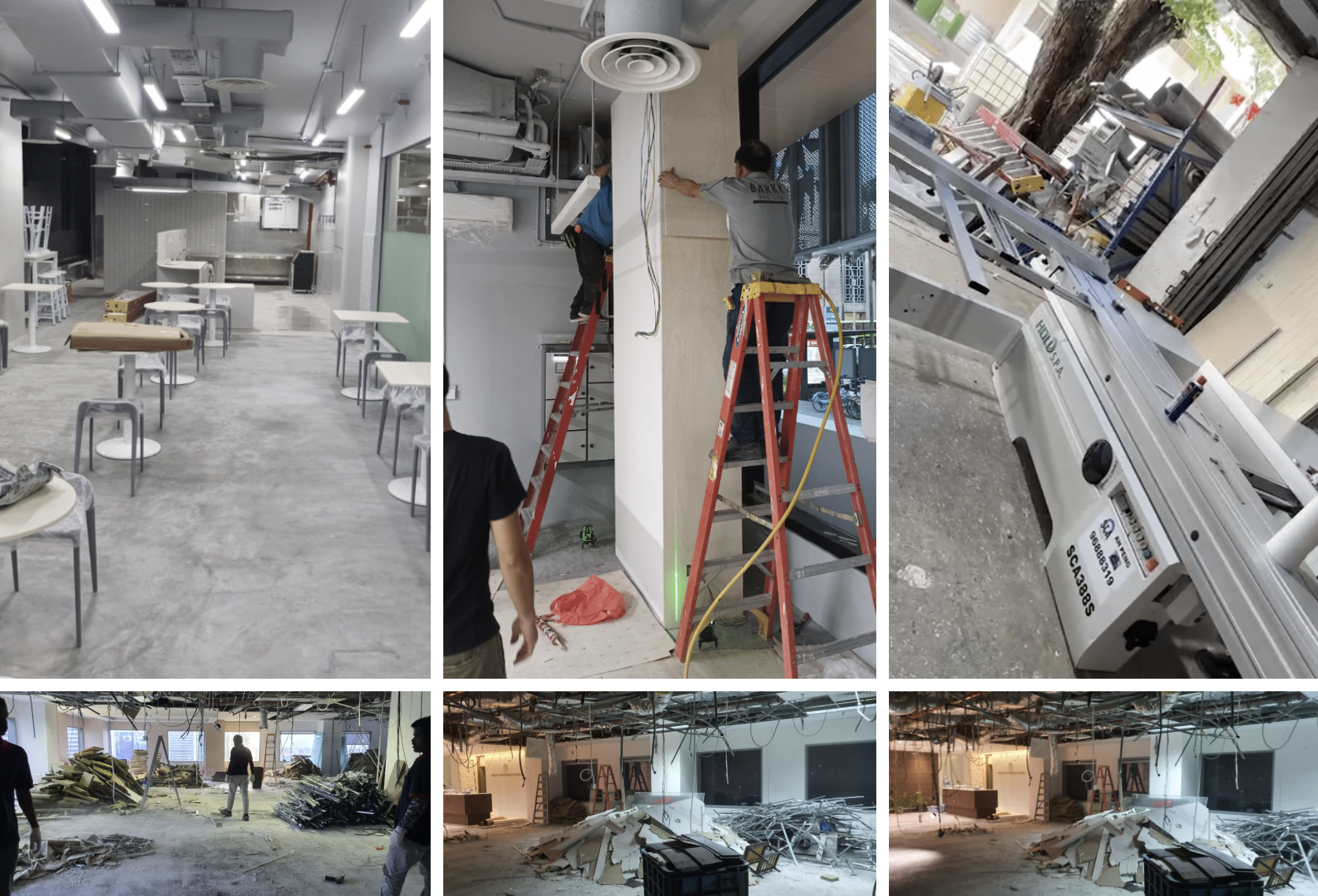
You receive controlled hacking and demolition services that remove non-original fittings, partitions and floor layers.
Contractors use dust suppression, protective hoardings and staged demolition to protect shared areas and meet MCST or landlord rules.
Work typically covers wall hacking, ceiling removal and breaking up tiles or screeds.
Teams sequence tasks so electrical and plumbing that must stay are isolated before heavy demolition starts.
Expect a site-specific risk assessment, method statement and hoarding setup.
Skilled crews sort waste on site for recycling or licensed disposal.
If you need speed, ask for staged manpower and clear turnaround times to avoid extra costs.
Restoration of Walls, Ceilings, and Floorings
You get repair and reinstatement that matches the original finish specified in your lease.
This includes rebuilding hacked walls, installing plasterboard or fire-rated partitions, and re-screeding or laying new flooring to the landlord’s standard.
Painters perform preparation, priming and two-coat painting to match the previous colour where required.
For ceilings, contractors reinstall grid systems, plaster ceilings or fire-rated assemblies as needed.
Tell the contractor the original materials and tolerance levels.
They will measure, order matching materials, and provide samples for approval before finishing.
Ask for warranty details on workmanship and painting.
Plumbing and Electrical Reinstatement
You will have certified trades restore services to legal and safety standards.
For plumbing, works include removal of tenant-installed fixtures, reconnection of drainage and water supplies, and reinstating toilets or sinks to the landlord’s layout.
For electrical, tasks cover removing added circuits, restoring original power points, and returning lighting layouts to the baseline.
All electrical work is tested and certified; plumbing work includes pressure tests and trap reinstatement.
Contractors should provide completion certificates, show evidence of public liability insurance, and coordinate with building management for shutdowns to reduce disruption.
Process of Engaging a Reinstatement Contractor
You will first confirm site condition, scope and any landlord or MCST requirements.
Then you will compare clear, itemised quotes and agree a timeline, permits and holdbacks before works start.
Project Assessment and Site Survey
A trusted reinstatement contractor begins with a full site survey and written condition report.
They record existing alterations, M&E points, finishes and any hazardous materials with photos and measurements.
You should get a baseline document that becomes the reference for all works and quotations.
Ask for checks on asbestos, electrical isolation points and landlord-specific finish standards.
A direct contractor will identify salvageable joinery and note items for reuse.
This reduces waste and can lower your final cost.
Confirm permitted working hours and any building-management constraints at this stage.
Quotation and Transparent Pricing
You must receive an itemised, fixed-price quotation showing materials, labour, provisional sums and contingency.
Look for transparent pricing that separates hacking, asbestos removal, carpentry salvage, waste disposal and cleaning.
Competitive pricing matters, but avoid lowest-bid traps without scope clarity.
Insist on milestone payments, a small holdback for snag rectification, and clear terms for variations.
A reputable contractor provides written timelines, permit responsibilities, and NEA or BCA requirement notes.
This protects your deposit and helps you compare true cost-effective reinstatement options.
Execution, Supervision and Handover
During execution, the contractor should supply a site foreman, daily logs and photo updates.
You need documented M&E isolations, waste disposal receipts, and certified removal records for hazardous items.
Supervision must ensure joinery is dismantled for reuse where possible and repaired to landlord standards.
Before handover, the team conducts snagging rounds and prepares a documentation pack with as-built evidence, certificates and date-stamped photos.
Agree a formal walk-through with the landlord or MCST, get signed acceptance, and keep the contractor contact for any post-handover rectifications to ensure a seamless handover.
Specialised Solutions for Offices and Shops
You will find steps that focus on getting leased spaces back to landlord standards while keeping costs and downtime low.
The guidance below covers practical tasks you must manage and the common checks that project managers use to get approvals.
Office Reinstatement Best Practices
You should start with a documented scope tied to your lease and the landlord’s reinstatement checklist.
Include walls, ceilings, flooring, exposed services, and any fire‑rated or acoustic elements that must be restored.
Use a phased project plan with dates for dismantle, repairs, finishes, electrical checks, and handover.
Assign a single point of contact to coordinate landlord approvals, MCST permits, and contractor schedules.
Key on-site tasks:
- Remove tenant fittings and dispose of waste per building rules.
- Repair or replace suspended ceilings and raised floors as specified.
- Restore painted surfaces to the original colour and finish.
- Reconnect or cap services and provide test certificates for electrical and fire systems.
Document progress with photos and sign-off forms.
Keep copies of insurance, risk assessments, and method statements ready for inspection.
Shop and Retail Unit Reinstatement
For shops, focus on durable finishes and any mall or landlord branding requirements you must meet.
Shop reinstatement often needs specific floor finishes, shopfront reinstatement, and compliance with mall safety standards.
Coordinate deliveries and noisy work outside peak trading hours if the retail centre remains open.
Manage permits for signage removal and reinstate storefront glazing or shutters to the landlord’s approved specification.
Consider these practical checks:
- Flooring level and material match landlord’s standard.
- Shopfront frames, glazing seals, and roller shutters operate correctly.
- MEP (mechanical, electrical, plumbing) services are isolated, tested, and certified.
- Any tenant-installed fixtures are removed and openings made good.
Use a project management checklist to track tasks, approvals, and handover documentation so you can achieve landlord sign-off on time.
Ensuring Quality and Compliance
You will see how careful planning, clear safety checks and tight coordination with the landlord and building manager keep the project on time and within lease requirements.
These steps protect your deposit and reduce the chance of rework or fines.
Risk Assessment and Safety Standards
You must start with a written risk assessment that lists hazards, controls and responsible staff for each task.
A reliable reinstatement contractor will inspect the site, note electrical, structural and asbestos risks, and create a permit-to-work system for hot works and confined spaces.
Make sure the contractor provides:
- Risk assessment report with photos and mitigation steps.
- Method statements for demolition, dismantling and waste handling.
- Competency proof for workers ( licences, WSH certifications ).
On-site safety includes daily toolbox talks, PPE checks and designated first-aid personnel.
You should require the contractor to log incidents and near misses, and to follow Building and Construction Authority (BCA) and Workplace Safety and Health (WSH) regulations where applicable.
Landlord and Building Management Coordination
You must confirm reinstatement scope and timing in writing with the landlord and building management before work starts.
Arrange a pre-start meeting to agree access hours, delivery routes, lift use and noise limits to avoid disputes.
Provide the landlord with the reinstatement plan, insurance certificates and contact persons.
Coordinate utility isolation and any temporary services with building FM to prevent disruptions.
Schedule interim inspections so you can show progress and resolve snags early.
Keep records of approvals, site logs and handover photos to prove compliance at the final inspection.
Value-Added and Related Services
These services extend beyond basic reinstatement to help you meet landlord requirements and prepare the space for its next use.
They focus on practical design alignment, workmanship quality, and options that reduce cost and downtime.
Interior Design Integration
You can link reinstatement with interior design to keep costs down and speed handover.
Contractors often coordinate with designers to retain or remove built elements to meet landlord specs while preserving features you want to keep.
This means clear drawings, a shared schedule, and joint site checks to avoid rework.
Expect support with material choices that match original finishes or approved alternatives.
The team can prepare measured drawings and photographic records for both your records and landlord approval.
Practical items include reinstating lighting layouts, matching wall and floor finishes, and ensuring any bespoke joinery is safely removed or adapted.
Renovation and Refurbishment Support
If you plan further fit-out or resale, you can combine reinstatement with renovation services to save time and cost.
Contractors provide phased works so demolition, reinstatement and new build can happen with minimal downtime.
They manage permits, waste removal and coordination with building management.
You’ll receive options for partial refurbishments, such as patch repairs, redecoration, and floor repairs, or full turnkey refit.
The service typically includes electrical and plumbing disconnections, testing, and certification to meet building standards.
Clear quotes with line-item costs help you compare retaining features versus full removal.
Table of Contents
Need help with this issue from Cooling Singapore?
Our aircon technician team provides fast diagnostic dispatch, transparent upfront quotes, and clean repairs across Singapore.